
Ground-based C4I facilities – HEMP filter testing
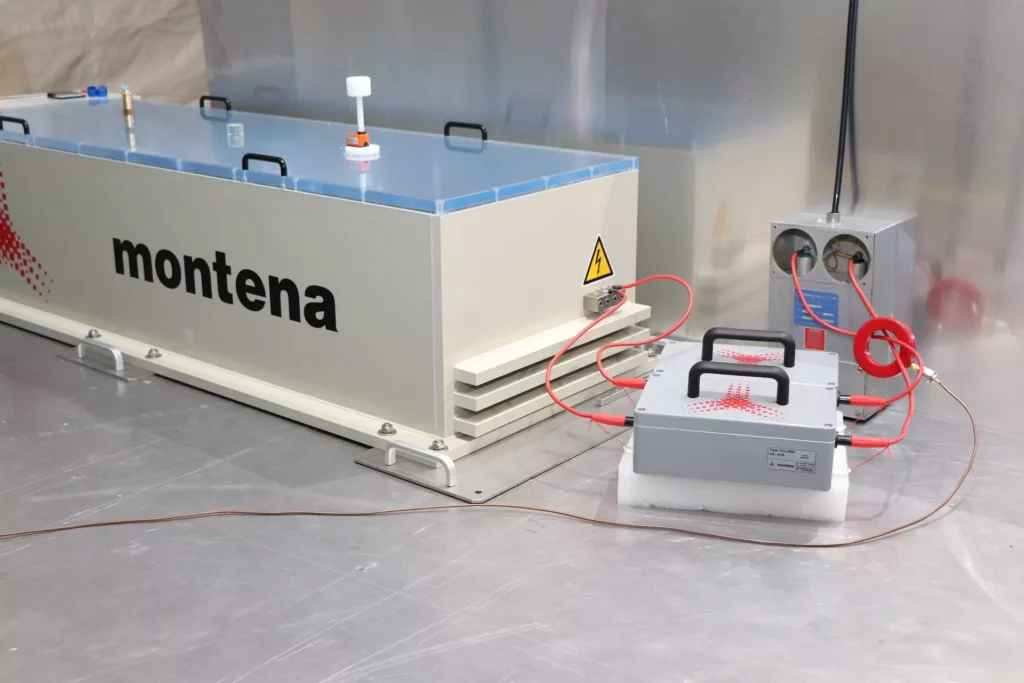
Ground-based C4I facilities play a crucial role in protecting the population, military personnel, and vital infrastructure. They provide defense against a wide range of threats, including blast waves, radiation, and chemical agents. In addition, modern shelters must also withstand high-altitude electromagnetic pulses (HEMP) generated by nuclear detonations or emerging electromagnetic weapons.
The main vulnerability of a ground-based C4I facility against HEMP is the cable point of entry. Electromagnetic pulses can induce extremely high currents in cables through coupling effects. To mitigate this risk, shelters are equipped with HEMP filters. The required protection level is commonly defined by MIL-STD-188-125-1 & 2, which is widely used as the reference standard.
These filters must be tested and approved before installation, and periodic verification is also mandatory. Over time, the filtration performance can degrade due to component aging or damage, making regular testing essential to ensure continued compliance and protection.
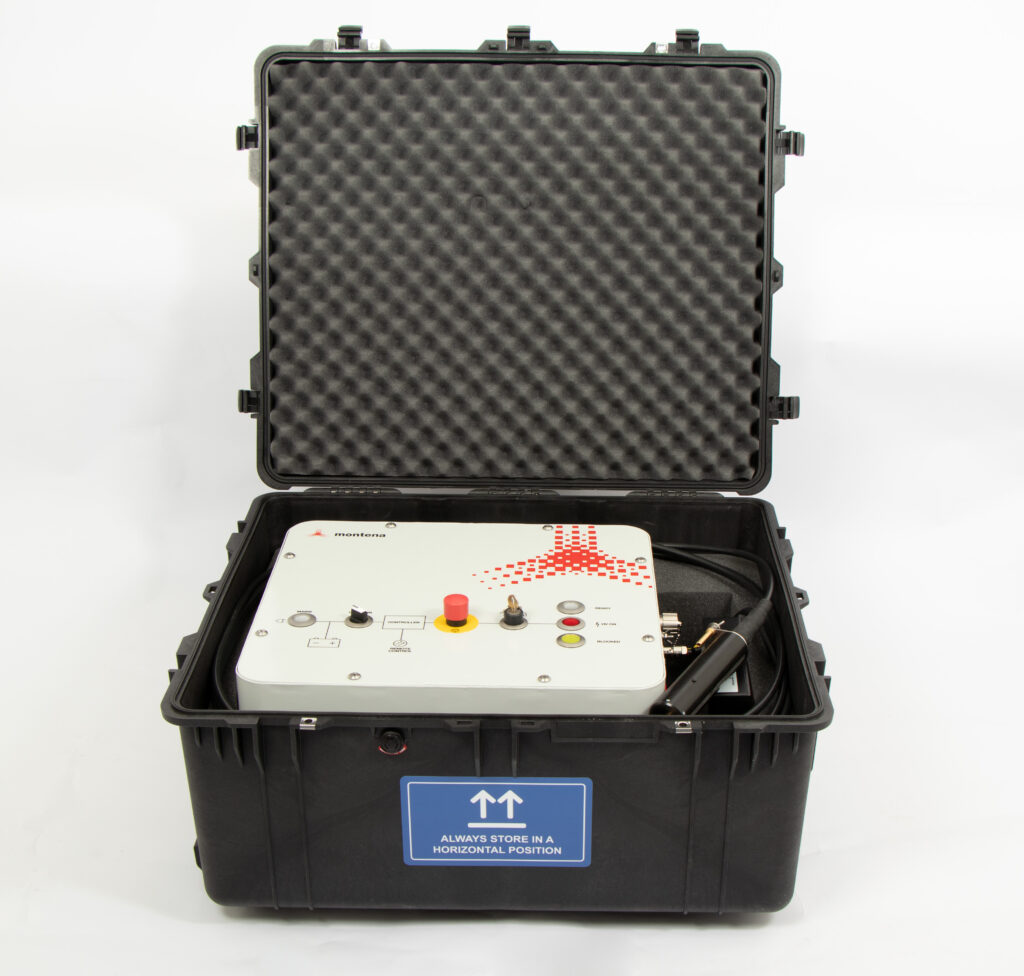
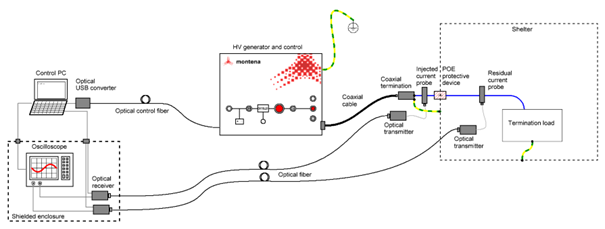
The Montena Pulse Current Injection (PCI) system enables the generation of very high current pulses for testing shelter filters. The PPG-E1-1200 generator, capable of producing E1 pulses up to 1200A, is ideal for recurring on-site verification. It operates on battery power and is easily transportable within a ruggedized case, ensuring portability and durability in the field.
To fully comply with MIL-STD-188-125-1 and -2 standards, filters must be tested at currents up to 5kA. Montena addresses this requirement with the EMP300K-5-500 generator, designed specifically for high-current E1 pulse testing. To complete the testing range, Montena has also developed the IPP3K generator, which injects intermediate pulse (E2).
Very stable and accurate pulse to meet the MIL-STD-188-125 1&2
Compact, fast installation and easy to operate
A user-friendly software interface for controlling tests and generating reports
EXPLORE OUR SOLUTIONS
Discover the products and technology private and governmental laboratories rely upon worldwide.